


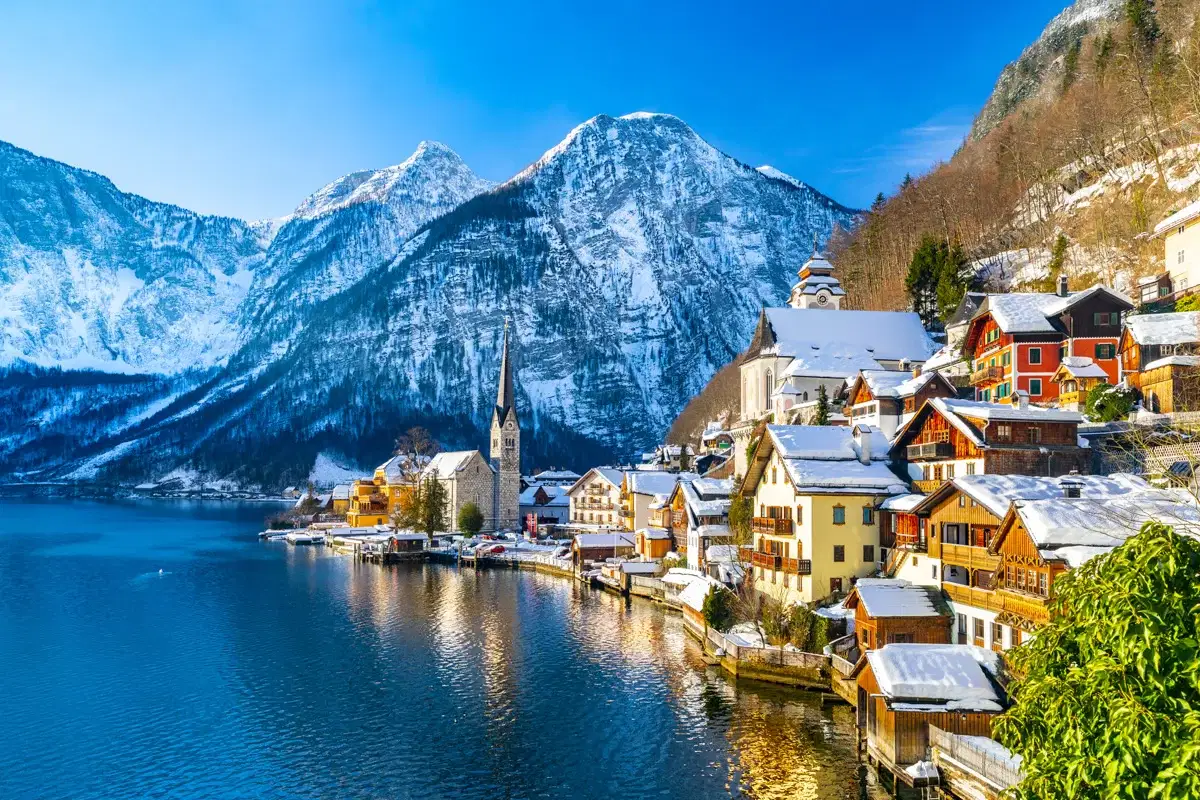
Planning a trip and wondering whether Europe in summer or winter is the better choice? The two seasons give you very different experiences. Summer brings long days, beach holidays, outdoor festivals and busy city streets. Winter is about Christmas markets, snowy landscapes, skiing and quieter sightseeing, especially after the New Year rush.
The choice also affects your budget, flight prices, accommodation and the kind of activities you can plan. For Indian travellers, school holidays and Schengen visa appointment availability are worth considering too.
Here's a practical comparison to help you decide which season suits your Europe tour packages.
Quick Details: Is Europe Better In Summer Or Winter?
Summer is a better time to visit Europe if you enjoy beaches, outdoor activities, scenic train journeys and long sightseeing days. Most attractions are open and you get more time to explore because of the longer daylight hours. June is a good choice if you want to enjoy summer without the peak crowds of July and August.
Winter is a better choice if you want to experience Christmas markets, snowy landscapes, skiing and festive celebrations. December is ideal for Christmas trips while January and February are better if you're looking for fewer crowds and lower travel costs. If you prefer milder weather, you can also explore southern European countries such as Spain and Portugal during winter.
Here's a comparison of Europe summer vs winter across the things that matter most when planning a trip from India.
Factor | Summer (June–August) | Winter (December–February) |
Weather | Warm to hot in southern Europe; milder in central and northern regions | Cold in central and northern Europe; milder in southern regions |
Daylight | Longer days with daylight lasting until 9–10 PM in some parts | Shorter days with early sunsets, especially in northern Europe |
Crowds | Busy tourist season, particularly in July and August | Fewer crowds in January and February; busy around Christmas and New Year |
Flights from India | Usually more expensive during school holidays | Often cheaper outside festive dates |
Accommodation | Higher rates in popular cities and beach destinations | Better deals in many cities during January and February |
Visa appointments | High demand before summer holidays | High demand before Christmas and New Year |
Best for | Beaches, hiking, festivals and long sightseeing days | Christmas markets, skiing, snow and winter city breaks |
The Europe summer vs winter comparison isn't simply about temperature. Summer gives you more daylight and seasonal activities. Winter has a different feel to it altogether and it can be gentler on your budget if you steer clear of the festive rush.
Summer in Europe: What You Can Expect

Summer in Europe runs from June to August. It is the busiest time of year for tourism with warm weather, long days and plenty of outdoor activities.
In southern Europe daytime temperatures often reach 28°C–35°C and heatwaves can push them higher. Central and western Europe are generally milder. Northern Europe has cooler summers.
What Makes Europe Worth Visiting in Summer?
- Longer days: You get more time for exploring, scenic drives and outdoor activities. In parts of northern Europe daylight stays on well into the evening.
- Beach holidays: The Mediterranean coast, Greek islands, Croatia and Portugal are famous for swimming, island hopping and boat trips.
- Mountain activities: Hiking trails, mountain huts and cable cars in the Alps and Dolomites are easy to access during summer.
- Festivals:Summer festivals in Europe have a packed calendar of music, food and cultural events. You can plan your trip around major festivals and local celebrations.
What to Consider Before Planning a Summer Trip
- July and August bring the highest tourist numbers to popular cities and coastal destinations.
- Flights and hotels can become expensive, particularly during European school holidays and India's May–June holiday period.
- Popular attractions, restaurants and train routes may need advance reservations.
If you're travelling during summer, June is often easier to manage than July and August. You still get long days and good access to seasonal activities, but some destinations are less crowded.
Winter in Europe: What You Can Expect

Winter in Europe generally covers December to February. The experience changes significantly depending on where you travel. Christmas markets in Europe draw in shopping lovers, the Alps pull in snow and skiing enthusiasts and southern Europe offers milder weather that works well for a city break.
What makes winter worth considering:
- Christmas markets: Cities such as Vienna, Prague, Strasbourg and Munich host seasonal markets with local food, decorations and festive stalls.
- Snow and winter sports: Switzerland, Austria, France and Italy have ski resorts and mountain villages for skiing and snowboarding.
- Northern Lights: Northern Norway, Sweden, Finland and Iceland are popular for aurora trips during the darker months.
- Quieter city sightseeing: The places to visit in Europe in December, January and February are less crowded than summer in many cities.
- Winter experiences: Thermal baths, museums, cosy cafés and seasonal food make city breaks enjoyable even when it's cold.
Things to Consider Before Travelling to Europe in Winter
- Days are shorter, particularly in northern Europe, which means less time for outdoor sightseeing.
- Snow is not guaranteed in every European city. Mountain destinations are a better choice if snowfall is important to your trip.
- Some coastal resorts, beach clubs and seasonal attractions close during winter.
- Mountain roads, hiking trails and cable cars may have restricted access depending on weather conditions.
- Christmas in Europe and New Year can be expensive, especially in popular festive destinations and ski resorts.
January and February are usually better for budget-conscious winter travel. December is worth choosing if Christmas markets and festive celebrations are the main reason for your trip.
Europe Trip Cost in Summer vs Winter
Your Europe trip cost in summer vs winter comes down to the countries you pick, how long you are travelling for, the kind of stay you book, and how early you lock things in. Summer usually works out costlier, mainly because the demand runs high. Winter can offer better rates, but Christmas and New Year are exceptions.
Here are indicative costs for Indian travellers planning a multi-country Europe holiday.
Expense | Summer (June–August) | Winter (December–February) |
Return flights from India | ₹55,000–₹85,000 | ₹40,000–₹70,000 |
Mid-range hotel per night | ₹10,000–₹18,000 | ₹8,000–₹15,000 |
Daily meals | ₹2,500–₹4,500 | ₹2,500–₹4,500 |
Local transport per day | ₹1,000–₹2,000 | ₹1,000–₹2,000 |
Sightseeing per day | ₹1,500–₹3,500 | ₹1,500–₹3,500 |
Cost estimates reviewed in November 2026. These are indicative planning figures and not fixed fares or hotel quotations. Actual prices depend on the destination, travel dates, exchange rates, hotel category and booking lead time. Hotel rates can be higher during summer holidays, Christmas, New Year and peak ski season.
Schengen Visa for Europe for Summer and Winter Trips

Indian passport holders travelling to Schengen countries for tourism generally need a Schengen visa. You can submit your application up to six months before your planned travel date.
The standard processing time is 15 calendar days from the day your application reaches the consulate. It can stretch to 45 days in certain cases. Appointment availability and document checks can also add to the total time.
Schengen Visa for Summer Travel
For a Schengen visa for summer travel, you should start pulling your documents together around January or February if your trip is planned for May, June or July.
Summer is a busy travel window for Indian families and students, so appointment slots tend to get tight closer to the departure date. Try to book your appointment well in advance, ideally by March or April if you are heading out in early summer.
Schengen Visa for Winter Travel
For a Christmas or New Year trip, start preparing your application by August or September. Try to secure an appointment by September or October rather than waiting until the festive season approaches.
If you're travelling in January or February, you can plan your application around the six-month submission window. Avoid leaving it until the last few weeks, as public holidays and additional document checks can delay the process.
Best European Destinations to Visit in Summer and Winter

You don't need a long destination list to decide between summer and winter. Think about the experience you want, then choose a region that suits the season.
Best Places to Visit in Europe During Summer
Here are some of the best destinations you can explore on your trip in summer in Europe.
- Switzerland: Visit the Alps for hiking, mountain lakes, scenic train journeys and cable-car experiences.
- Greece: Plan an island holiday around Santorini, Crete or Mykonos for beaches and coastal towns.
- Croatia: Explore Dubrovnik, Split and the Adriatic islands for swimming and boat trips.
- Portugal: Visit Lisbon, Porto and the Algarve for city sightseeing, coastal drives and beach time.
- Italy: Combine Rome and Florence with the Amalfi Coast or the Dolomites.
- France: Visit Paris for sightseeing, explore the French Riviera for beaches and coastal towns or head to the French Alps for hiking and mountain views.
- Iceland: Visit during the long days to explore waterfalls, glaciers, volcanic landscapes and the famous Golden Circle. Summer is also a good time for road trips around the island.
Best Places to Visit in Europe During Winter
- Vienna, Austria: Visit its Christmas markets, historic cafés and festive streets in December.
- Switzerland: Winter is a great time to explore the Swiss Alps for skiing, snowboarding and snowy mountain villages. Zurich in winter is another option if you prefer Christmas markets and winter activities.
- Prague, Czech Republic: Explore Old Town Square and the city's winter markets.
- Rovaniemi, Finland: Plan a Lapland trip for reindeer experiences, husky safaris and snowy landscapes.
- Tromsø, Norway: Visit during the aurora season for Northern Lights tours.
- France: Visit Strasbourg and Colmar for their Christmas markets, Paris for winter sightseeing, or the French Alps for skiing and snow-covered villages.
- Spain:Spain in winter is a good option if you want to enjoy Europe without dealing with extreme cold. Cities like Barcelona, Madrid and Seville offer milder temperatures and plenty of opportunities for sightseeing.
Spring and Autumn in Europe: Are They Better Alternatives?
Spring and autumn are good alternatives if you want to avoid the busiest summer months and the colder winter weather. April to May brings milder temperatures and spring blooms.
September and October are also the best time to visit Europe suitable for city breaks, countryside drives and Mediterranean travel.
Summer or Winter in Europe: Which Season Should You Choose?

- For a honeymoon: Summer suits couples on their Europe honeymoon packages who want Mediterranean beaches and long evenings. A Europe honeymoon in winter is a better fit if you prefer snowy mountain stays, festive cities or Northern Lights experiences.
- For a family holiday: Summer is usually the simpler choice with children. The days are longer, most attractions are open and there are many outdoor activities. Winter is best for Christmas markets or snow.
- For your first Europe trip: Summer gives you more daylight and easier access to outdoor attractions. Winter is a good choice if you have a specific festive or snow-based itinerary in mind.
- For budget travel: January and February are usually better than peak summer, provided you avoid ski-resort pricing and choose your destinations carefully.
- For snow lovers: Choose winter and plan around the Alps or Lapland rather than expecting snowfall in every European city.
- For photographers: Summer offers green landscapes, clear evenings and long golden hours. Winter gives snow-covered towns, festive lights and dramatic northern skies.
Europe Summer and Winter Tour Packages from India
Europe Summer Tour Packages
Europe summer tour packages are suited to travellers who want long sightseeing days, Alpine excursions, Mediterranean destinations and outdoor activities. You can explore multi-country routes covering France, Switzerland, Italy and other popular destinations.
Europe tour package in summer | Starting price | Duration |
From Glacial Lagoons to Geothermal Pools | Iceland Summer Group Trip | ₹2,99,999/-per person | 8N - 9D |
5 Cities: Royal London to Lively Dublin - Great Britain Group Summer Tour | ₹2,59,999/-per person | 9N - 10D |
16 Days Grand Europe & British Highlights Summer Tour Package | ₹3,49,999/-per person | 15N - 16D |
Europe Winter Tour Packages
Europe tour packages in winter focus on Christmas markets, snow experiences and Northern Lights. Depending on your travel dates, you can choose an itinerary through Central Europe or head further north to Lapland and Scandinavia.
Europe Winter tour package | Starting Price | Duration |
₹2,69,990/-per person | 9N - 10D | |
₹1,91,990/-per person | 8N - 9D | |
Northern Lights Group Trip: Arctic Skies, Snowy Trails & Magical Nights | ₹2,19,990/-per person | 7N - 8D |
Frequently Asked Questions
Is it better to visit Europe in summer or winter?
Summer is suited for beaches, hiking and long sightseeing days. Winter suits Christmas markets, skiing and snow experiences. Your budget and preferred weather should guide the choice.
Is spring or autumn better than both?
Spring and autumn are often better for travellers who want milder weather and fewer crowds. Spring brings flowers and longer days, while early autumn is good for city breaks and Mediterranean travel.
How many hours of daylight does Europe get in winter?
Daylight varies by location. Cities in central Europe usually get around 8–9 hours in December, while destinations farther north can have much shorter days.
Is Europe good for a honeymoon in winter?
Yes. Winter is a good choice for couples who enjoy snowy landscapes, festive markets, mountain stays or Northern Lights experiences. Choose destinations according to the weather and activities you want.
Are tourist attractions closed in Europe in winter?
Most major museums and city attractions stay open through the year but some outdoor sites, coastal resorts and mountain routes run on a seasonal schedule. Check the opening dates before you finalise your itinerary.
When should Indians apply for a Schengen visa for a summer trip?
Apply as early as possible within the six month application window. For a May–July trip, start preparing documents in January or February and aim to secure an appointment by March or April.
How cold does Europe get in December?
Temperatures vary widely across Europe in December. Southern cities can stay around 8°C–15°C during the day while central and northern regions can drop below freezing.
Is Europe too hot in summer now?
Some parts of southern Europe can see intense heatwaves in July and August with temperatures going past 35°C. Northern and central Europe are generally cooler though heatwaves can reach these regions as well.
Which European countries are best to visit in summer?
Switzerland, Italy, Greece, Portugal, Croatia and France are popular summer destinations. They offer beaches, mountain trails, island trips and outdoor sightseeing.
Which European countries are best to visit in winter?
Austria, Switzerland, Finland, Norway, Germany and the Czech Republic are popular winter choices. They offer Christmas markets, skiing, snowy landscapes and Northern Lights experiences.


